Temperature Control
Precise temperature control is crucial in gas nitriding. Elevated temperatures expedite nitrogen diffusion but require meticulous regulation to prevent adverse metallurgical changes or distortion in the material.

Nitriding, an integral process in metallurgy, is a surface hardening technique crucial for enhancing the mechanical properties of ferrous materials, particularly steel. This transformative process involves the controlled introduction of nitrogen into the surface layer of metals, resulting in a modified surface composition that significantly improves hardness, wear resistance, fatigue strength, and corrosion resistance.
)
Gas nitriding operates within a controlled environment using an ammonia gas atmosphere at temperatures ranging between 500°C to 600°C. The process facilitates controlled nitrogen diffusion into the metal, fostering the formation of a nitride layer that substantially improves the material's surface properties. Precise regulation of temperature, time, and gas composition is pivotal for achieving uniform nitride formation and depth.
The process begins by loading the workpiece into a sealed furnace or chamber. Within this controlled environment, ammonia gas dissociates at elevated temperatures, releasing nitrogen atoms. These nitrogen atoms diffuse into the metal's surface layer, creating nitrides with the base metal.
Gas nitriding stands as a cornerstone surface hardening technique, fortifying metal surfaces and expanding their utility across numerous industries. Its ability to elevate material properties, including hardness, wear resistance, fatigue strength, and corrosion resistance, underscores its significance in metallurgy and engineering, contributing significantly to the longevity and performance of critical components.
)
Critical engine components such as crankshafts, camshafts, and gears significantly benefit from gas nitriding, showcasing improved wear resistance and extended lifespans under demanding conditions.
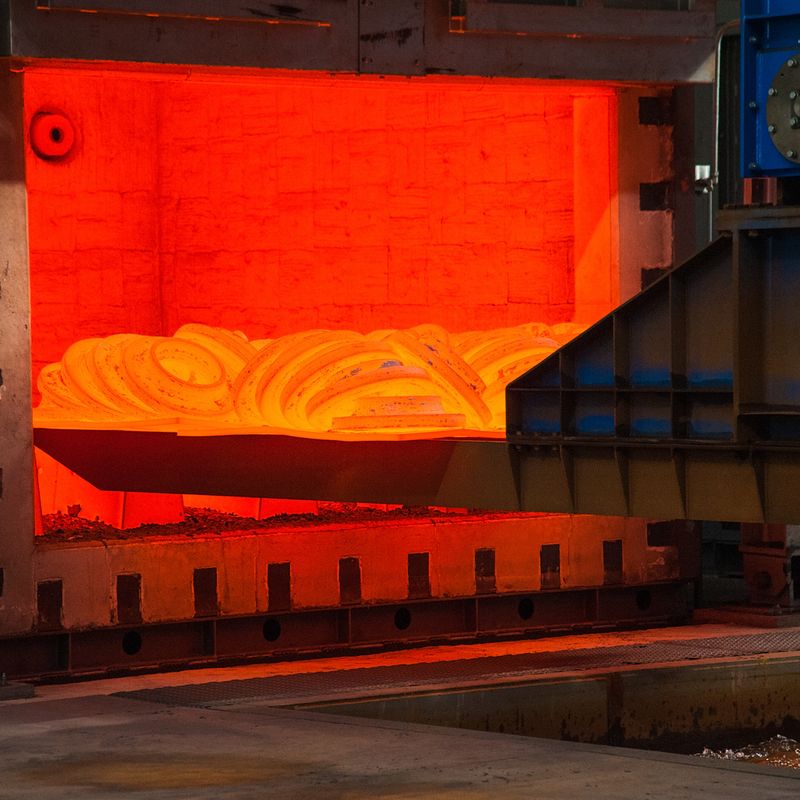
Cutting tools, dies, molds, and machine components benefit from extended service life through gas nitriding, showcasing superior wear resistance and prolonged operational durability, reducing maintenance costs.
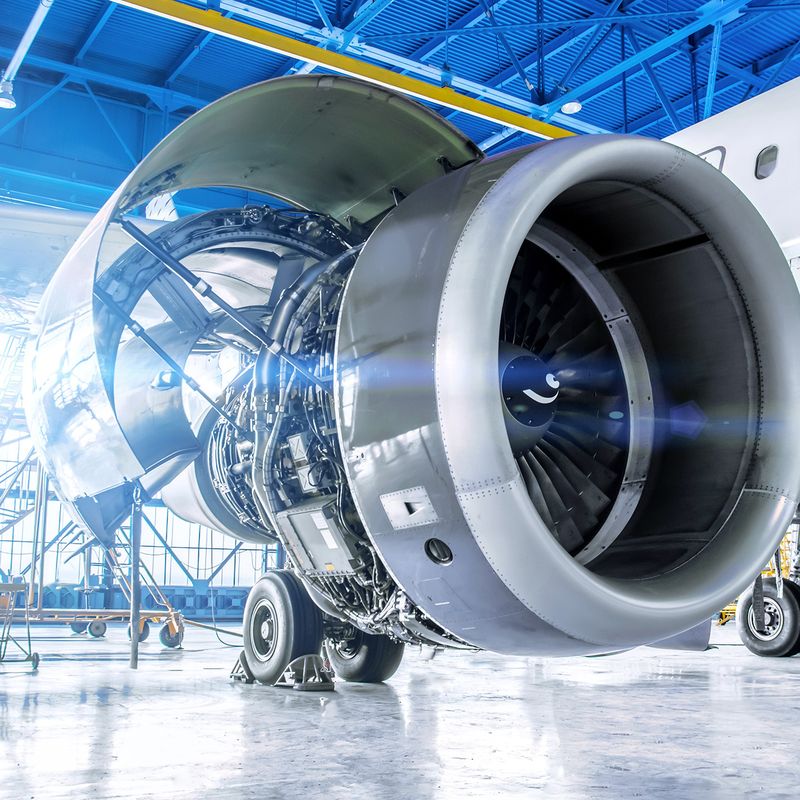
Essential parts like landing gear, turbine components, and structural elements undergo gas nitriding to enhance performance and durability in high-stress environments, ensuring safety and reliability in aviation.
)
Critical engine components such as crankshafts, camshafts, and gears significantly benefit from gas nitriding, showcasing improved wear resistance and extended lifespans under demanding conditions.
Cutting tools, dies, molds, and machine components benefit from extended service life through gas nitriding, showcasing superior wear resistance and prolonged operational durability, reducing maintenance costs.
Essential parts like landing gear, turbine components, and structural elements undergo gas nitriding to enhance performance and durability in high-stress environments, ensuring safety and reliability in aviation.
)
Salt bath nitriding is a specialized surface hardening process within metallurgy, revered for its ability to enhance the mechanical properties of ferrous materials, particularly steel. This method involves immersing workpieces in molten salts containing nitrogen-bearing compounds at temperatures typically ranging from 510°C to 590°C. The controlled treatment results in a modified surface layer, significantly augmenting hardness, wear resistance, fatigue strength, and corrosion resistance.
Salt bath nitriding operates within a controlled environment where the workpieces are immersed in molten salt baths containing cyanide or cyanate compounds and other nitrogen-bearing chemicals. These compounds release nascent nitrogen at elevated temperatures, facilitating nitrogen diffusion into the material's surface.
The process begins by heating the salts to the required temperature within a controlled furnace or chamber. The workpieces are then immersed in the molten salt bath for a specific duration. During this time, the nitrogen compounds within the bath dissociate, releasing nitrogen atoms. These nitrogen atoms diffuse into the metal's surface, forming nitrides and enhancing its surface properties.
Salt bath nitriding stands as a crucial surface hardening technique, fortifying metal surfaces and expanding their utility across diverse industries. Its ability to elevate material properties, encompassing hardness, wear resistance, fatigue strength, and corrosion resistance, underscores its significance in metallurgy and engineering, contributing significantly to the longevity and performance of critical components.
Critical engine components such as crankshafts, camshafts, and gears benefit from salt bath nitriding, showcasing improved wear resistance and extended lifespans under demanding conditions.
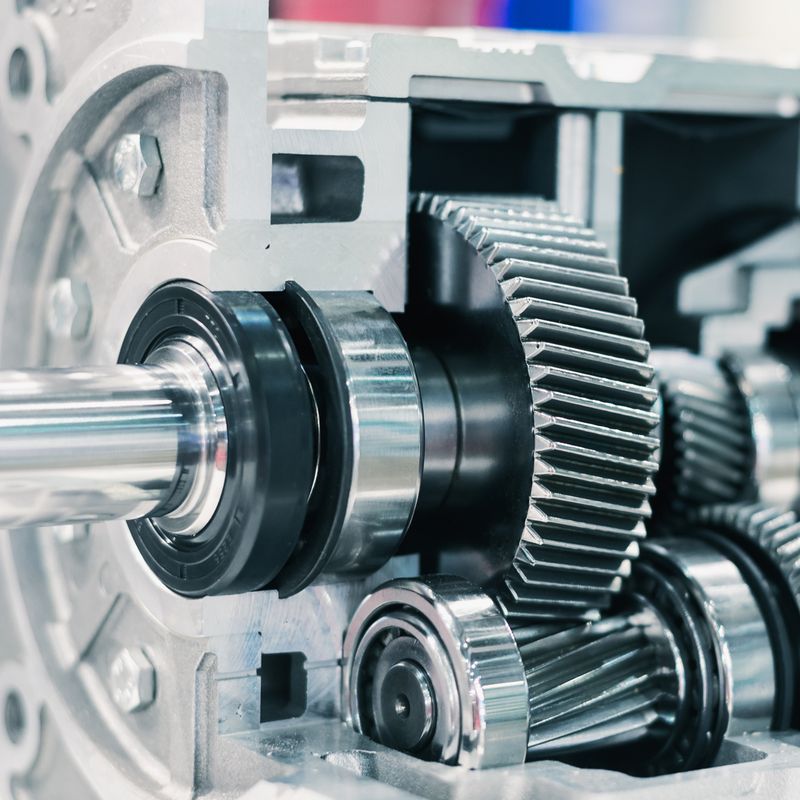
Components used in heavy machinery and equipment, such as gears, shafts, and dies, undergo salt bath nitriding for enhanced performance and durability.
Critical engine components such as crankshafts, camshafts, and gears benefit from salt bath nitriding, showcasing improved wear resistance and extended lifespans under demanding conditions.
Components used in heavy machinery and equipment, such as gears, shafts, and dies, undergo salt bath nitriding for enhanced performance and durability.
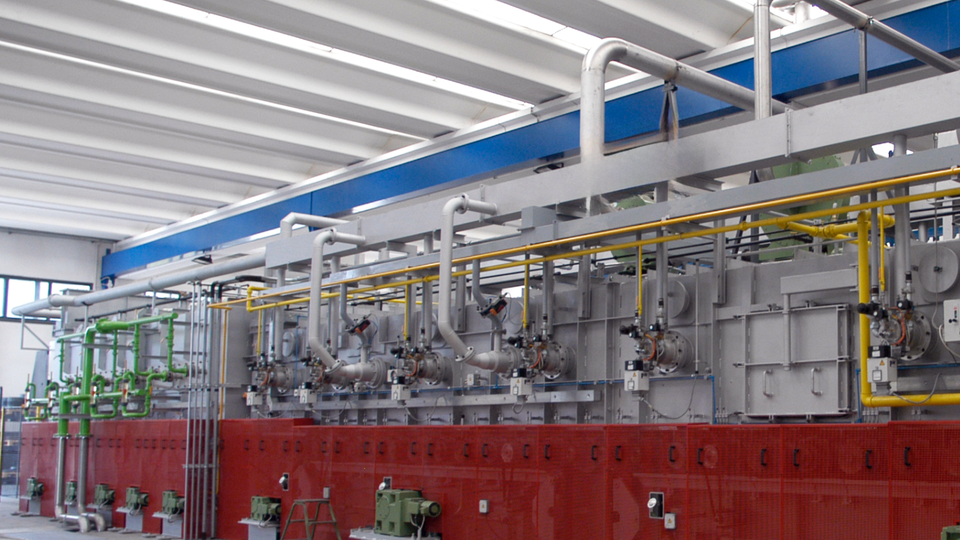
Plasma nitriding is an advanced surface hardening technique renowned for its ability to significantly enhance the mechanical properties of ferrous metals, particularly steel. This sophisticated process involves subjecting workpieces to a nitrogen-rich plasma environment at temperatures ranging from 400°C to 600°C, resulting in a modified surface layer that dramatically improves hardness, wear resistance, fatigue strength, and corrosion resistance.
Plasma nitriding operates within a controlled environment using a vacuum chamber filled with a nitrogen-rich gas, usually hydrogen or nitrogen-hydrogen mixtures. The gas is ionized to create a plasma discharge. The workpieces are negatively charged, attracting positively charged nitrogen ions from the plasma, which penetrate the surface of the material, forming nitrides.
The process begins by placing the workpieces in the vacuum chamber. The gas within the chamber is then ionized using an electrical field, creating a plasma discharge. The high-energy nitrogen ions bombard the surface of the workpiece, diffusing into the material's surface and forming nitrides, significantly altering its mechanical properties.
Plasma nitriding stands at the forefront of surface hardening techniques, fortifying metal surfaces and expanding their utility across diverse industries. Its ability to elevate material properties, encompassing hardness, wear resistance, fatigue strength, and corrosion resistance, underscores its significance in metallurgy and engineering, contributing significantly to the longevity and performance of critical components.
Heat treatment of components for aerospace applications with high quality requirements.
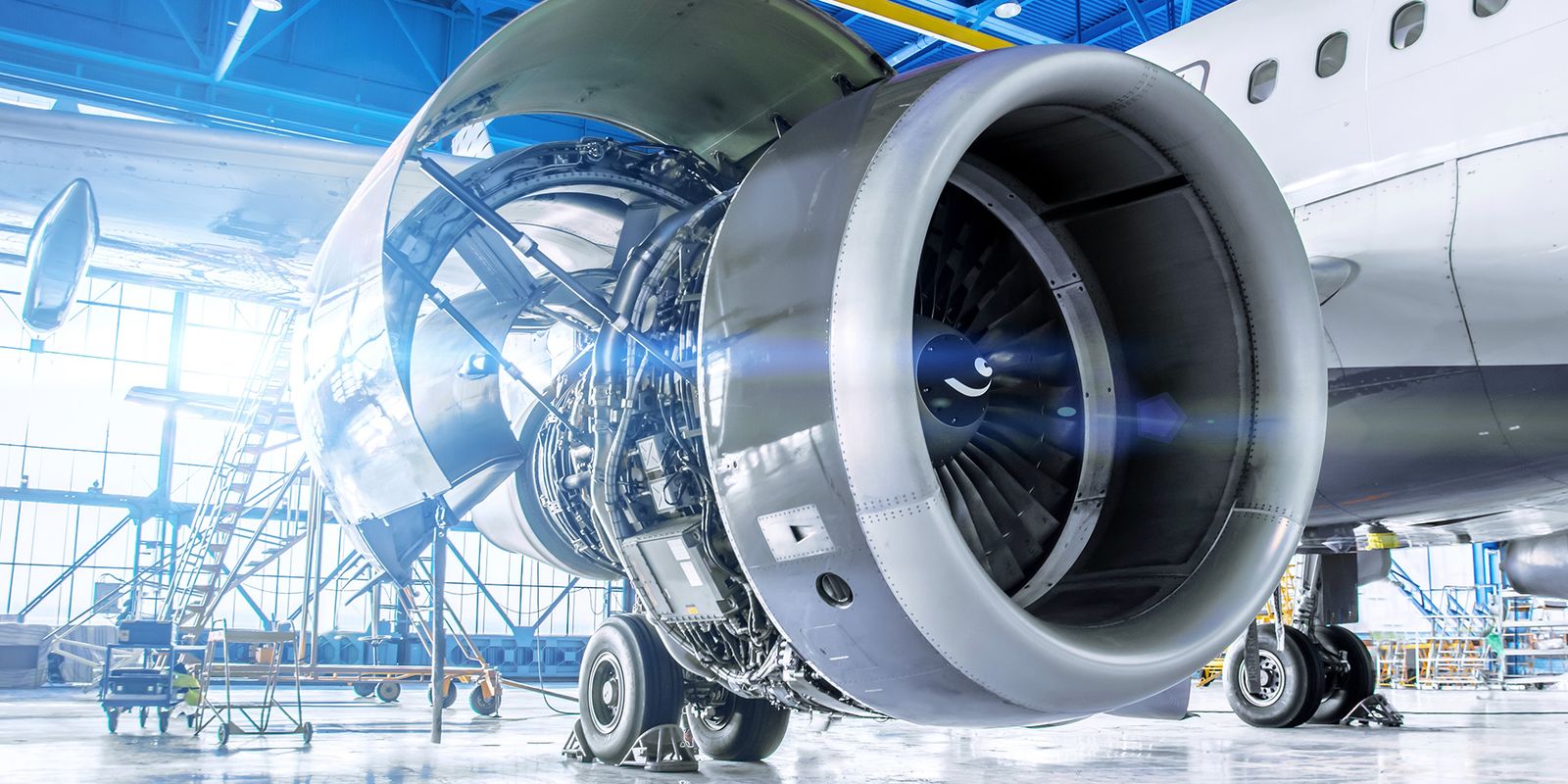
Heat treatment of components for aerospace applications with high quality requirements.
Nitriding processes require specific temperature ranges. Higher temperatures expedite nitrogen diffusion but demand meticulous control to prevent adverse metallurgical changes or distortion in the treated material.
The duration of exposure to the nitrogen environment determines the depth of the nitrided layer. Longer treatments result in deeper nitrogen penetration, augmenting the material's surface properties.
In gas nitriding, regulating the ammonia and gas ratio, along with pressure, profoundly influences nitrogen penetration into the material, significantly impacting the quality and depth of the nitride layer formed.
Nitriding creates a robust surface layer that significantly enhances wear resistance and durability, making it an optimal choice for components subjected to high-stress applications.
The treated material exhibits enhanced resistance to cyclic loading, reducing the risk of failure under repeated stress, thereby prolonging the component's operational lifespan.
Nitrided surfaces showcase increased resistance to corrosion and oxidation, crucial for components operating in harsh environments, significantly contributing to their longevity.
Compared to certain heat-treatment processes, nitriding typically causes minimal distortion, making it a preferred method for treating precision components.
Critical engine components such as crankshafts, camshafts, and gears benefit immensely from nitriding, showcasing improved wear resistance and prolonged lifespan under demanding conditions.
Vital parts like landing gear, turbine components, and structural elements undergo nitriding for increased performance and durability in high-stress environments, ensuring safety and reliability in aviation.
Cutting tools, dies, molds, and machine components find extended service life through nitriding, enabling superior wear resistance and extending operational durability, thereby reducing maintenance costs.
Nitriding serves as an indispensable surface hardening technique, fortifying metal surfaces and expanding their utility across numerous industries. Its ability to enhance material properties, including hardness, wear resistance, fatigue strength, and corrosion resistance, underscores its significance in metallurgy and engineering, contributing significantly to the longevity and performance of critical components.
Do you have questions about our company, locations, or partnerships? We look forward to your inquiry and will get back to you promptly.