Diffusion
Diffusion is the movement of atoms or molecules within the material, allowing them to rearrange and bond together. Elevated temperatures facilitate this process by increasing the mobility of particles.

Sintering is a versatile and essential process that finds extensive applications in various industries, one of which is heat treatment. This article explores the sintering process, its mechanisms, and how it is used in heat treatment to transform materials, improving their properties and enabling a wide array of applications.
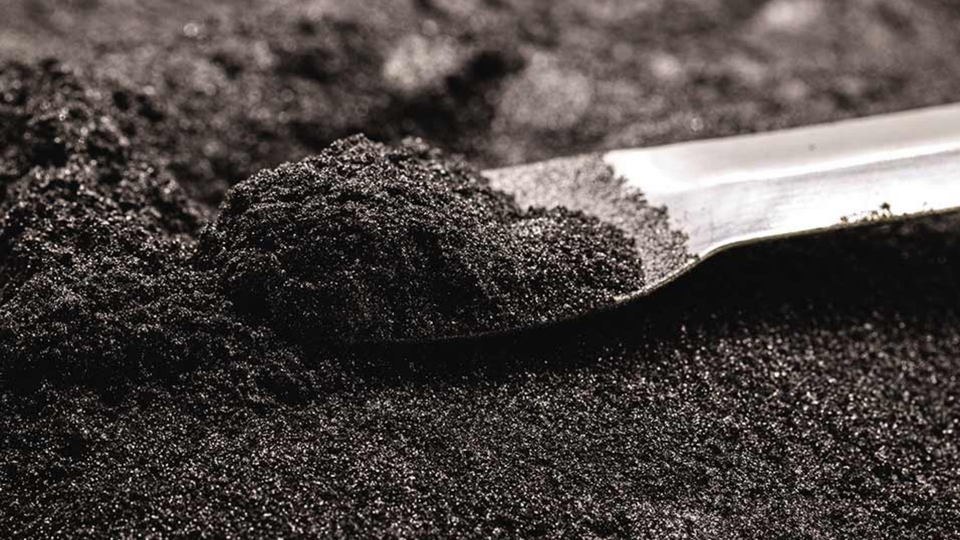
Sintering is a thermal process that involves the consolidation of powdered materials into a solid mass, often at high temperatures but below the melting point of the material. It is a critical step in the production of numerous materials, including ceramics, metals, and even certain polymers. Sintering serves to enhance material properties, create complex shapes, and tailor materials for specific applications.
At its core, sintering relies on principles such as diffusion, densification, and neck formation. These mechanisms drive the transformation of a loose powder into a dense and cohesive structure.
The sintering process typically advances through several stages, each with distinct characteristics and transformations.
Heat treatment encompasses a range of processes used to alter the properties of materials through heating and cooling. Sintering is employed within heat treatment to achieve specific objectives, such as enhancing material strength, modifying microstructures, and introducing new characteristics to the material. Here are some ways sintering is used in heat treatment:
Sintering is a fundamental component of powder metallurgy, a method for manufacturing metal components. Metal powders are compacted and sintered to create components with improved mechanical properties, making them suitable for applications in the automotive, aerospace, and healthcare industries.
In the hardening process, sintering is used to increase the hardness and wear resistance of steel components. Components are heated to a critical temperature and then rapidly cooled. Following hardening, tempering involves reheating the material to reduce brittleness while maintaining hardness.
Sinter-brazing is a heat treatment technique that joins two dissimilar materials through the use of a brazing filler material. Components are heated, allowing the filler to melt and form a bond between the materials.
In the ceramics industry, sintering is employed to fuse ceramic particles and create a strong, dense structure. It is used in the production of a wide range of ceramic products, from kitchen tiles to advanced technical ceramics.
Sintering plays a vital role in electronics manufacturing. Electronic components such as capacitors and resistors are produced using sintering processes to achieve the required electrical and thermal properties.
Enhanced Material Properties: Sintering can significantly improve material strength, hardness, and other mechanical characteristics.
Complex Shapes: Sintering allows the production of complex and intricate shapes, which is particularly valuable in industries like aerospace and automotive.
Tailored Materials: The heat treatment process can be precisely controlled, enabling the tailoring of materials for specific applications.
Temperature Control: Precise control of temperature and time is essential in sintering to avoid issues such as overheating, warping, or inconsistent properties.
Residual Stress: Sintering can introduce residual stresses in the material, which may need to be addressed through additional treatments or processes.
As technology advances and industry demands change, sintering in heat treatment continues to evolve. Some emerging trends and areas of development include:
Sintering processes are integrated into additive manufacturing techniques, such as selective laser sintering (SLS) and binder jetting, offering new possibilities for designing and producing complex, high-performance components.
Researchers and industries are exploring sustainable sintering methods, which aim to reduce energy consumption and environmental impact while maintaining high-quality material properties.
The ability to customize heat treatment processes to meet specific material and application requirements is becoming more advanced, allowing for greater flexibility and optimization.
Sintering is a fundamental process with a rich history and a promising future. It plays a crucial role in various industries, particularly in the context of heat treatment, where it is used to enhance material properties, create unique shapes, and enable a wide array of applications. Understanding the principles and methods of sintering in heat treatment is essential for optimizing materials and achieving desired material properties, making it a cornerstone of modern manufacturing processes.
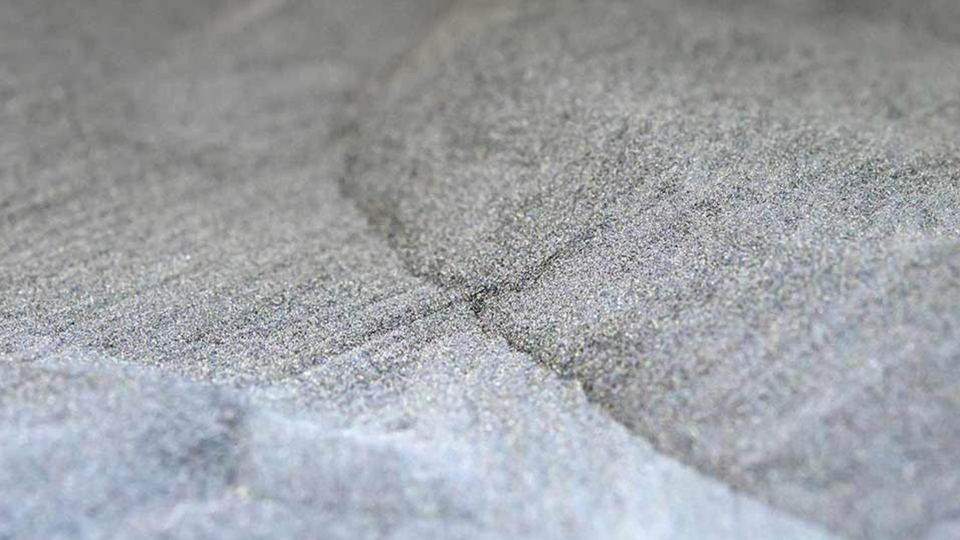
Sintering precursor materials are the unsung heroes of material science and engineering. These substances, often in the form of powders, play a pivotal role in shaping a wide range of advanced materials. In this article, we delve into the world of sintering precursor materials, exploring their significance, types, and their extensive applications across various industries.
Sintering precursor materials serve as the foundation upon which advanced materials are built. They are substances that, when subjected to the sintering process, undergo transformations that result in enhanced properties, such as increased density, improved mechanical strength, and tailored characteristics. Precursor materials come in various forms, including powders, granules, and pastes, and they are crucial to the development of ceramics, metals, composites, and more.
The significance of sintering precursor materials lies in their ability to enable the creation of highly customized materials with specific properties. They play a pivotal role in various industries, including aerospace, electronics, and healthcare. Here are some key aspects that highlight their significance:
Sintering precursor materials come in various types, each designed to meet specific application requirements. Here are some common types:
Ceramic precursor materials often consist of fine powders that are engineered to create dense, high-performance ceramics. These ceramics can be used in the production of everything from household dishes to cutting-edge electronic components.
Metal precursor materials are essential in the powder metallurgy industry, where they are sintered to create strong and durable components. These components find applications in automotive, aerospace, and medical devices.
Precursor materials in the form of polymer blends are used to create composite materials, often with reinforced mechanical properties. These materials can be employed in a variety of industries, from sporting goods to construction.
Nanoparticles, which are particles at the nanoscale, serve as precursor materials for advanced materials like transparent conductive films, quantum dots, and catalysts.
MOFs are a class of porous materials that are created using organic ligands and metal ions as precursor materials. They are used in gas storage, catalysis, and drug delivery applications.
Despite the numerous advantages of sintering precursor materials, there are also challenges and considerations to be aware of:
Selecting the appropriate precursor material is crucial. The choice depends on the desired material properties, application requirements, and the specific sintering process to be used.
Precise control of sintering temperatures is vital to achieving the intended material properties. Temperature variations can result in inconsistent and undesirable outcomes.
The sintering process may introduce residual stresses in the material, which could affect its structural integrity. Post-sintering treatments or additional processes may be required to address these stresses.
As sustainability becomes increasingly important, there is a growing focus on the environmental impact of sintering processes and precursor materials. Research is ongoing to develop more sustainable sintering techniques and materials.
As technology advances and industries evolve, so too do sintering precursor materials. Some emerging trends and innovations in this field include:
Sintering precursor materials are being integrated into additive manufacturing processes, such as selective laser sintering (SLS), to produce complex, high-performance components with precision.
Continued research and development in nanotechnology enable the use of nanoscale precursor materials, leading to materials with unique properties and applications.
The development of sustainable precursor materials, such as recyclable or biodegradable options, is a growing focus to reduce environmental impact.
The energy sector is seeing innovations in energy storage materials, with sintered precursor materials at the core of developing more efficient and sustainable batteries and supercapacitors.
Sintering precursor materials are the building blocks of many advanced materials and products that shape our modern world. Their versatility, customizability, and wide range of applications make them indispensable in various industries. As technology continues to advance, the role of sintering precursor materials in shaping the materials of the future will only become more significant, offering solutions to meet the evolving demands of our ever-changing world.
Do you have questions about our company, locations, or partnerships? We look forward to your inquiry and will get back to you promptly.